

blog

Law Firm Cybersecurity: Protect Client Data with Identity Verification

November 25, 2026
A person in a dark suit uses a smartphone at a marble desk, with law books on shelves behind them.A person in a dark suit uses a smartphone at a marble desk, with law books on shelves behind them.

Key Takeaways

  • A mistaken access decision can expose sensitive details about clients and cases—and erode client trust.
  • Attackers use deadlines, access problems, and fake IT emergencies to pressure employees into bypassing normal checks.
  • Identity and access management (IAM), multi-factor authentication (MFA), and device controls remain essential, but firms also need a way to verify the person behind high-risk requests.
  • CLEAR1 supports employee onboarding, account recovery, and selected sensitive actions, complementing existing controls without deciding what a person is authorized to access.
  • CLEAR manages the biometric data it collects directly from members, keeping that data out of the firm’s environment while the firm remains responsible for its own systems and information.

How Attackers Target Law Firms

‍

Clients trust law firms with business plans, personal information, litigation strategy, transaction details, and other sensitive material. A security lapse can expose client information, damage relationships, and disrupt legal work.

‍

The threat is already reaching U.S. law firms: In June 2026, Google Cloud Threat Intelligence reported a campaign in which attackers impersonated law-firm IT support and persuaded employees to grant remote access.

‍

In October 2026, The Globe and Mail reported similar attacks that led to breaches at four Canadian law firms. Attackers impersonated internal IT staff through Microsoft Teams or calls that appeared to come from the firms’ IT departments, citing a critical software update or expired password. Employees who followed their instructions were directed to fraudulent sign-in pages capable of bypassing MFA. The breaches exposed internal information, including client-related files at some firms.

‍

Law firms need reliable ways to verify high-risk requests without slowing legitimate work—especially when attackers use deadline pressure to make social-engineering attempts more effective.

‍

Verify Identity Before Acting on High-Risk Requests

‍

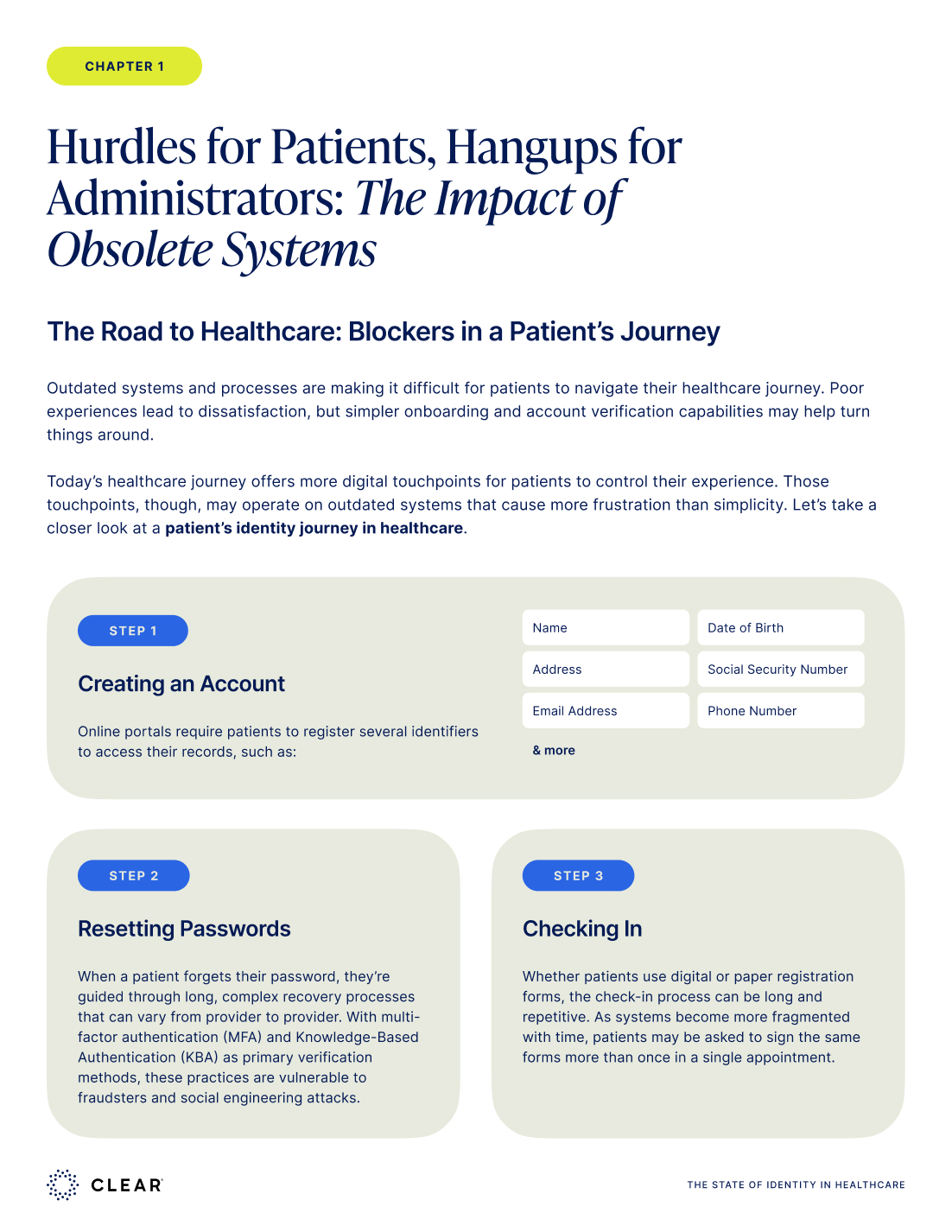
Lawyers and staff may need to restore an account before a filing deadline, move an authentication factor to a new phone, or access a matter workspace. Familiar voices, caller IDs, passwords, and recognized devices can make these requests seem credible, but the firm still needs to verify who’s seeking access before approving the request. An attacker who has researched a lawyer, a matter, or the firm’s procedures—or compromised an account—may know enough to make a fraudulent request sound routine.

‍

Existing security controls remain essential. IAM, single sign-on, MFA, endpoint protection, and privileged access management help manage accounts, validate credentials and factors, assess devices, and control permissions. Yet even with these controls in place, a mistaken recovery decision could give an attacker access to email, matter systems, financial workflows, and sensitive client information. Identity assurance adds a person-level check alongside these controls.

‍

Build a Business Case Across Legal and Security Teams

‍

General counsel can work with security and IT leaders to identify where an added identity check could reduce risk without slowing down lawyers and staff.

‍

Start with workflows where time pressure is high and a mistake could have serious consequences: employee onboarding, account recovery, MFA enrollment or reset, privileged actions, and access to sensitive matter systems. Then assess current processes using firm data on manual recovery requests, help-desk time, delays in restoring access, and how often teams grant exceptions or rely on judgment calls.

‍

These findings give leaders a practical basis for comparing options without relying on speculative breach savings or assumed insurance discounts. They also help leaders determine whether a proposed control would improve a high-risk process or simply add another step.

‍

Add Identity Checks Alongside Existing Controls

‍

MFA and device security address credentials and devices, while CLEAR1 complements a firm’s existing identity and security tools with a multilayered approach to identity verification. During onboarding, account recovery, and selected sensitive actions, CLEAR1 can help confirm that employees and other authorized users are who they claim to be.

‍

In a selfie-based flow, CLEAR1 combines biometric verification, government-issued document checks, source validation, and device signals to help check that a live person matches a trusted record. Presentation Attack Detection (PAD) screens for presentation attacks, while Image Attack Detection (IAD) helps identify manipulated imagery.

‍

These checks help confirm who’s making the request; the firm’s policies and matter-level permissions determine what that person can access.

‍

Existing CLEAR members can reverify with a selfie, and new users complete a quick, one-time setup to establish a reusable identity for future checks.

‍

Keep Biometric Data Outside the Firm’s Environment

‍

Biometric data needs careful handling. CLEAR acts as the controller for the biometric information it collects directly from members, so the firm itself doesn’t receive or store those records. CLEAR shares only the information the user has consented to share and the firm has requested.

‍

The firm remains responsible for any information it receives, uses, or retains—and for securing its own systems. This distinction helps legal teams assess vendors and privacy obligations, while showing security leaders where biometric information resides and who controls it.

‍

Protect Client Confidentiality While Keeping Work Moving with CLEAR1

‍

No single control can prevent every impersonation attempt, but firms can avoid asking employees to judge identity based only on what a caller knows, the credentials they have, or the devices they control. To put this into practice, map the workflows attackers may target, assess the impact of a mistaken decision, and add identity checks where they fit existing policies. Account recovery, onboarding, and privileged actions are practical places to start.

‍

Ready to explore how CLEAR1 can help verify identity across your firm’s highest-risk workflows? Book a demo with us.

Frequently Asked Questions

Why do law firms need identity verification if they already use MFA?
MFA confirms that someone can present an enrolled credential, such as an authenticator or trusted device. That alone may not establish that the account holder is requesting a recovery or reset. Identity assurance adds a person-level check at selected high-risk moments and complements MFA rather than replacing it.

‍

Where can a law firm use identity assurance?
Common starting points include employee onboarding, account recovery, MFA enrollment or reset, and selected sensitive or privileged actions. Firms should match checks to their policies and technology; existing access controls still determine what a verified person can see or do.

‍

Can identity verification stop help-desk impersonation?
Not on its own. It adds a person-level check before staff approve high-risk requests, such as account recovery, MFA resets, or access changes, so they don’t rely only on caller ID, familiarity with the firm, or an enrolled credential. Keep it alongside existing approval and security procedures; no single control prevents every social-engineering attack.

‍

Does CLEAR take on a law firm’s biometric-data liability?
CLEAR acts as the controller for biometric information it collects directly from members, and the firm doesn’t receive or store it through this flow. The firm remains responsible for information it receives, uses, or retains and for securing its own systems. CLEAR reduces the firm’s biometric-handling burden; it doesn’t assume all legal or security obligations.

How Attackers Target Law Firms

‍

Clients trust law firms with business plans, personal information, litigation strategy, transaction details, and other sensitive material. A security lapse can expose client information, damage relationships, and disrupt legal work.

‍

The threat is already reaching U.S. law firms: In June 2026, Google Cloud Threat Intelligence reported a campaign in which attackers impersonated law-firm IT support and persuaded employees to grant remote access.

‍

In October 2026, The Globe and Mail reported similar attacks that led to breaches at four Canadian law firms. Attackers impersonated internal IT staff through Microsoft Teams or calls that appeared to come from the firms’ IT departments, citing a critical software update or expired password. Employees who followed their instructions were directed to fraudulent sign-in pages capable of bypassing MFA. The breaches exposed internal information, including client-related files at some firms.

‍

Law firms need reliable ways to verify high-risk requests without slowing legitimate work—especially when attackers use deadline pressure to make social-engineering attempts more effective.

‍

Verify Identity Before Acting on High-Risk Requests

‍

Lawyers and staff may need to restore an account before a filing deadline, move an authentication factor to a new phone, or access a matter workspace. Familiar voices, caller IDs, passwords, and recognized devices can make these requests seem credible, but the firm still needs to verify who’s seeking access before approving the request. An attacker who has researched a lawyer, a matter, or the firm’s procedures—or compromised an account—may know enough to make a fraudulent request sound routine.

‍

Existing security controls remain essential. IAM, single sign-on, MFA, endpoint protection, and privileged access management help manage accounts, validate credentials and factors, assess devices, and control permissions. Yet even with these controls in place, a mistaken recovery decision could give an attacker access to email, matter systems, financial workflows, and sensitive client information. Identity assurance adds a person-level check alongside these controls.

‍

Build a Business Case Across Legal and Security Teams

‍

General counsel can work with security and IT leaders to identify where an added identity check could reduce risk without slowing down lawyers and staff.

‍

Start with workflows where time pressure is high and a mistake could have serious consequences: employee onboarding, account recovery, MFA enrollment or reset, privileged actions, and access to sensitive matter systems. Then assess current processes using firm data on manual recovery requests, help-desk time, delays in restoring access, and how often teams grant exceptions or rely on judgment calls.

‍

These findings give leaders a practical basis for comparing options without relying on speculative breach savings or assumed insurance discounts. They also help leaders determine whether a proposed control would improve a high-risk process or simply add another step.

‍

Add Identity Checks Alongside Existing Controls

‍

MFA and device security address credentials and devices, while CLEAR1 complements a firm’s existing identity and security tools with a multilayered approach to identity verification. During onboarding, account recovery, and selected sensitive actions, CLEAR1 can help confirm that employees and other authorized users are who they claim to be.

‍

In a selfie-based flow, CLEAR1 combines biometric verification, government-issued document checks, source validation, and device signals to help check that a live person matches a trusted record. Presentation Attack Detection (PAD) screens for presentation attacks, while Image Attack Detection (IAD) helps identify manipulated imagery.

‍

These checks help confirm who’s making the request; the firm’s policies and matter-level permissions determine what that person can access.

‍

Existing CLEAR members can reverify with a selfie, and new users complete a quick, one-time setup to establish a reusable identity for future checks.

‍

Keep Biometric Data Outside the Firm’s Environment

‍

Biometric data needs careful handling. CLEAR acts as the controller for the biometric information it collects directly from members, so the firm itself doesn’t receive or store those records. CLEAR shares only the information the user has consented to share and the firm has requested.

‍

The firm remains responsible for any information it receives, uses, or retains—and for securing its own systems. This distinction helps legal teams assess vendors and privacy obligations, while showing security leaders where biometric information resides and who controls it.

‍

Protect Client Confidentiality While Keeping Work Moving with CLEAR1

‍

No single control can prevent every impersonation attempt, but firms can avoid asking employees to judge identity based only on what a caller knows, the credentials they have, or the devices they control. To put this into practice, map the workflows attackers may target, assess the impact of a mistaken decision, and add identity checks where they fit existing policies. Account recovery, onboarding, and privileged actions are practical places to start.

‍

Ready to explore how CLEAR1 can help verify identity across your firm’s highest-risk workflows? Book a demo with us.

Maximize security, minimize friction with CLEAR

Reach out to uncover what problems you can solve when you solve for identity.

By submitting my personal data, I consent to CLEAR collecting, processing, and storing my information in accordance with the CLEAR Privacy Notice.
blog

Law Firm Cybersecurity: Protect Client Data with Identity Verification

November 25, 2026
A person in a dark suit uses a smartphone at a marble desk, with law books on shelves behind them.

How Attackers Target Law Firms

‍

Clients trust law firms with business plans, personal information, litigation strategy, transaction details, and other sensitive material. A security lapse can expose client information, damage relationships, and disrupt legal work.

‍

The threat is already reaching U.S. law firms: In June 2026, Google Cloud Threat Intelligence reported a campaign in which attackers impersonated law-firm IT support and persuaded employees to grant remote access.

‍

In October 2026, The Globe and Mail reported similar attacks that led to breaches at four Canadian law firms. Attackers impersonated internal IT staff through Microsoft Teams or calls that appeared to come from the firms’ IT departments, citing a critical software update or expired password. Employees who followed their instructions were directed to fraudulent sign-in pages capable of bypassing MFA. The breaches exposed internal information, including client-related files at some firms.

‍

Law firms need reliable ways to verify high-risk requests without slowing legitimate work—especially when attackers use deadline pressure to make social-engineering attempts more effective.

‍

Verify Identity Before Acting on High-Risk Requests

‍

Lawyers and staff may need to restore an account before a filing deadline, move an authentication factor to a new phone, or access a matter workspace. Familiar voices, caller IDs, passwords, and recognized devices can make these requests seem credible, but the firm still needs to verify who’s seeking access before approving the request. An attacker who has researched a lawyer, a matter, or the firm’s procedures—or compromised an account—may know enough to make a fraudulent request sound routine.

‍

Existing security controls remain essential. IAM, single sign-on, MFA, endpoint protection, and privileged access management help manage accounts, validate credentials and factors, assess devices, and control permissions. Yet even with these controls in place, a mistaken recovery decision could give an attacker access to email, matter systems, financial workflows, and sensitive client information. Identity assurance adds a person-level check alongside these controls.

‍

Build a Business Case Across Legal and Security Teams

‍

General counsel can work with security and IT leaders to identify where an added identity check could reduce risk without slowing down lawyers and staff.

‍

Start with workflows where time pressure is high and a mistake could have serious consequences: employee onboarding, account recovery, MFA enrollment or reset, privileged actions, and access to sensitive matter systems. Then assess current processes using firm data on manual recovery requests, help-desk time, delays in restoring access, and how often teams grant exceptions or rely on judgment calls.

‍

These findings give leaders a practical basis for comparing options without relying on speculative breach savings or assumed insurance discounts. They also help leaders determine whether a proposed control would improve a high-risk process or simply add another step.

‍

Add Identity Checks Alongside Existing Controls

‍

MFA and device security address credentials and devices, while CLEAR1 complements a firm’s existing identity and security tools with a multilayered approach to identity verification. During onboarding, account recovery, and selected sensitive actions, CLEAR1 can help confirm that employees and other authorized users are who they claim to be.

‍

In a selfie-based flow, CLEAR1 combines biometric verification, government-issued document checks, source validation, and device signals to help check that a live person matches a trusted record. Presentation Attack Detection (PAD) screens for presentation attacks, while Image Attack Detection (IAD) helps identify manipulated imagery.

‍

These checks help confirm who’s making the request; the firm’s policies and matter-level permissions determine what that person can access.

‍

Existing CLEAR members can reverify with a selfie, and new users complete a quick, one-time setup to establish a reusable identity for future checks.

‍

Keep Biometric Data Outside the Firm’s Environment

‍

Biometric data needs careful handling. CLEAR acts as the controller for the biometric information it collects directly from members, so the firm itself doesn’t receive or store those records. CLEAR shares only the information the user has consented to share and the firm has requested.

‍

The firm remains responsible for any information it receives, uses, or retains—and for securing its own systems. This distinction helps legal teams assess vendors and privacy obligations, while showing security leaders where biometric information resides and who controls it.

‍

Protect Client Confidentiality While Keeping Work Moving with CLEAR1

‍

No single control can prevent every impersonation attempt, but firms can avoid asking employees to judge identity based only on what a caller knows, the credentials they have, or the devices they control. To put this into practice, map the workflows attackers may target, assess the impact of a mistaken decision, and add identity checks where they fit existing policies. Account recovery, onboarding, and privileged actions are practical places to start.

‍

Ready to explore how CLEAR1 can help verify identity across your firm’s highest-risk workflows? Book a demo with us.

More product updates

VIEW ALL RELEASE NOTES
No items found.
blog

Law Firm Cybersecurity: Protect Client Data with Identity Verification

November 25, 2026
A person in a dark suit uses a smartphone at a marble desk, with law books on shelves behind them.

How Attackers Target Law Firms

‍

Clients trust law firms with business plans, personal information, litigation strategy, transaction details, and other sensitive material. A security lapse can expose client information, damage relationships, and disrupt legal work.

‍

The threat is already reaching U.S. law firms: In June 2026, Google Cloud Threat Intelligence reported a campaign in which attackers impersonated law-firm IT support and persuaded employees to grant remote access.

‍

In October 2026, The Globe and Mail reported similar attacks that led to breaches at four Canadian law firms. Attackers impersonated internal IT staff through Microsoft Teams or calls that appeared to come from the firms’ IT departments, citing a critical software update or expired password. Employees who followed their instructions were directed to fraudulent sign-in pages capable of bypassing MFA. The breaches exposed internal information, including client-related files at some firms.

‍

Law firms need reliable ways to verify high-risk requests without slowing legitimate work—especially when attackers use deadline pressure to make social-engineering attempts more effective.

‍

Verify Identity Before Acting on High-Risk Requests

‍

Lawyers and staff may need to restore an account before a filing deadline, move an authentication factor to a new phone, or access a matter workspace. Familiar voices, caller IDs, passwords, and recognized devices can make these requests seem credible, but the firm still needs to verify who’s seeking access before approving the request. An attacker who has researched a lawyer, a matter, or the firm’s procedures—or compromised an account—may know enough to make a fraudulent request sound routine.

‍

Existing security controls remain essential. IAM, single sign-on, MFA, endpoint protection, and privileged access management help manage accounts, validate credentials and factors, assess devices, and control permissions. Yet even with these controls in place, a mistaken recovery decision could give an attacker access to email, matter systems, financial workflows, and sensitive client information. Identity assurance adds a person-level check alongside these controls.

‍

Build a Business Case Across Legal and Security Teams

‍

General counsel can work with security and IT leaders to identify where an added identity check could reduce risk without slowing down lawyers and staff.

‍

Start with workflows where time pressure is high and a mistake could have serious consequences: employee onboarding, account recovery, MFA enrollment or reset, privileged actions, and access to sensitive matter systems. Then assess current processes using firm data on manual recovery requests, help-desk time, delays in restoring access, and how often teams grant exceptions or rely on judgment calls.

‍

These findings give leaders a practical basis for comparing options without relying on speculative breach savings or assumed insurance discounts. They also help leaders determine whether a proposed control would improve a high-risk process or simply add another step.

‍

Add Identity Checks Alongside Existing Controls

‍

MFA and device security address credentials and devices, while CLEAR1 complements a firm’s existing identity and security tools with a multilayered approach to identity verification. During onboarding, account recovery, and selected sensitive actions, CLEAR1 can help confirm that employees and other authorized users are who they claim to be.

‍

In a selfie-based flow, CLEAR1 combines biometric verification, government-issued document checks, source validation, and device signals to help check that a live person matches a trusted record. Presentation Attack Detection (PAD) screens for presentation attacks, while Image Attack Detection (IAD) helps identify manipulated imagery.

‍

These checks help confirm who’s making the request; the firm’s policies and matter-level permissions determine what that person can access.

‍

Existing CLEAR members can reverify with a selfie, and new users complete a quick, one-time setup to establish a reusable identity for future checks.

‍

Keep Biometric Data Outside the Firm’s Environment

‍

Biometric data needs careful handling. CLEAR acts as the controller for the biometric information it collects directly from members, so the firm itself doesn’t receive or store those records. CLEAR shares only the information the user has consented to share and the firm has requested.

‍

The firm remains responsible for any information it receives, uses, or retains—and for securing its own systems. This distinction helps legal teams assess vendors and privacy obligations, while showing security leaders where biometric information resides and who controls it.

‍

Protect Client Confidentiality While Keeping Work Moving with CLEAR1

‍

No single control can prevent every impersonation attempt, but firms can avoid asking employees to judge identity based only on what a caller knows, the credentials they have, or the devices they control. To put this into practice, map the workflows attackers may target, assess the impact of a mistaken decision, and add identity checks where they fit existing policies. Account recovery, onboarding, and privileged actions are practical places to start.

‍

Ready to explore how CLEAR1 can help verify identity across your firm’s highest-risk workflows? Book a demo with us.

How Attackers Target Law Firms

‍

Clients trust law firms with business plans, personal information, litigation strategy, transaction details, and other sensitive material. A security lapse can expose client information, damage relationships, and disrupt legal work.

‍

The threat is already reaching U.S. law firms: In June 2026, Google Cloud Threat Intelligence reported a campaign in which attackers impersonated law-firm IT support and persuaded employees to grant remote access.

‍

In October 2026, The Globe and Mail reported similar attacks that led to breaches at four Canadian law firms. Attackers impersonated internal IT staff through Microsoft Teams or calls that appeared to come from the firms’ IT departments, citing a critical software update or expired password. Employees who followed their instructions were directed to fraudulent sign-in pages capable of bypassing MFA. The breaches exposed internal information, including client-related files at some firms.

‍

Law firms need reliable ways to verify high-risk requests without slowing legitimate work—especially when attackers use deadline pressure to make social-engineering attempts more effective.

‍

Verify Identity Before Acting on High-Risk Requests

‍

Lawyers and staff may need to restore an account before a filing deadline, move an authentication factor to a new phone, or access a matter workspace. Familiar voices, caller IDs, passwords, and recognized devices can make these requests seem credible, but the firm still needs to verify who’s seeking access before approving the request. An attacker who has researched a lawyer, a matter, or the firm’s procedures—or compromised an account—may know enough to make a fraudulent request sound routine.

‍

Existing security controls remain essential. IAM, single sign-on, MFA, endpoint protection, and privileged access management help manage accounts, validate credentials and factors, assess devices, and control permissions. Yet even with these controls in place, a mistaken recovery decision could give an attacker access to email, matter systems, financial workflows, and sensitive client information. Identity assurance adds a person-level check alongside these controls.

‍

Build a Business Case Across Legal and Security Teams

‍

General counsel can work with security and IT leaders to identify where an added identity check could reduce risk without slowing down lawyers and staff.

‍

Start with workflows where time pressure is high and a mistake could have serious consequences: employee onboarding, account recovery, MFA enrollment or reset, privileged actions, and access to sensitive matter systems. Then assess current processes using firm data on manual recovery requests, help-desk time, delays in restoring access, and how often teams grant exceptions or rely on judgment calls.

‍

These findings give leaders a practical basis for comparing options without relying on speculative breach savings or assumed insurance discounts. They also help leaders determine whether a proposed control would improve a high-risk process or simply add another step.

‍

Add Identity Checks Alongside Existing Controls

‍

MFA and device security address credentials and devices, while CLEAR1 complements a firm’s existing identity and security tools with a multilayered approach to identity verification. During onboarding, account recovery, and selected sensitive actions, CLEAR1 can help confirm that employees and other authorized users are who they claim to be.

‍

In a selfie-based flow, CLEAR1 combines biometric verification, government-issued document checks, source validation, and device signals to help check that a live person matches a trusted record. Presentation Attack Detection (PAD) screens for presentation attacks, while Image Attack Detection (IAD) helps identify manipulated imagery.

‍

These checks help confirm who’s making the request; the firm’s policies and matter-level permissions determine what that person can access.

‍

Existing CLEAR members can reverify with a selfie, and new users complete a quick, one-time setup to establish a reusable identity for future checks.

‍

Keep Biometric Data Outside the Firm’s Environment

‍

Biometric data needs careful handling. CLEAR acts as the controller for the biometric information it collects directly from members, so the firm itself doesn’t receive or store those records. CLEAR shares only the information the user has consented to share and the firm has requested.

‍

The firm remains responsible for any information it receives, uses, or retains—and for securing its own systems. This distinction helps legal teams assess vendors and privacy obligations, while showing security leaders where biometric information resides and who controls it.

‍

Protect Client Confidentiality While Keeping Work Moving with CLEAR1

‍

No single control can prevent every impersonation attempt, but firms can avoid asking employees to judge identity based only on what a caller knows, the credentials they have, or the devices they control. To put this into practice, map the workflows attackers may target, assess the impact of a mistaken decision, and add identity checks where they fit existing policies. Account recovery, onboarding, and privileged actions are practical places to start.

‍

Ready to explore how CLEAR1 can help verify identity across your firm’s highest-risk workflows? Book a demo with us.

PARTNER SPOTLIGHT
INDUSTRY
No items found.
COMPANY SIZE
INDUSTRY
No items found.
COMPANY SIZE

Maximize security, minimize friction with CLEAR

Reach out to uncover what problems you can solve when you solve for identity.

By submitting my personal data, I consent to CLEAR collecting, processing, and storing my information in accordance with the CLEAR Privacy Notice.
blog
Person looking at CLEAR Multi-Layered Identity Screen
By submitting my personal data, I consent to CLEAR collecting, processing, and storing my information in accordance with the CLEAR Privacy Notice.
Gartner®, Deepfake Identity Threats: Mitigate Risk in Identity Verification and Face Biometrics, Akif Khan, Nayara Sangiorgio, James Hoover, 11 May 2026

‍Gartner® is a trademark of Gartner, Inc. and/or its affiliates.

blog
By submitting my personal data, I consent to CLEAR collecting, processing, and storing my information in accordance with the CLEAR Privacy Notice.
Thank you! You are being redirected

Thank you! View the webinar below.

Oops! Something went wrong while submitting the form.
blog

Law Firm Cybersecurity: Protect Client Data with Identity Verification

November 25, 2026

More webinars

VIEW ALL WEBINARS
No items found.