




blog

Why Zero Trust Security Starts with Identity

October 20, 2026

Key Takeaways

  • Zero Trust evaluates every access request based on relevant signals instead of granting access by default. Every decision still needs a reliable answer to one question: Who is making the request?
  • Passwords, MFA, sessions, and device signals can show control of a credential or device. They don’t always establish that the person behind the request is the legitimate account holder.
  • CLEAR1 adds multi-layered identity verification to existing security and access workflows, helping organizations strengthen identity assurance.
  • CLEAR1's reusable identity extends protection across high-risk moments, including onboarding, account recovery, MFA enrollment, privileged access, and step-up verification.

Zero Trust has changed how organizations think about access. Rather than treating a corporate network, familiar device, or successful login as proof that access is safe, security teams evaluate each request using signals about the user, the resource, and the surrounding risk. But those decisions are only as reliable as the signal behind the request. Without identity assurance, a Zero Trust approach can still leave one critical question unanswered: Is the right person behind the interaction?

‍

Attackers can steal passwords, transfer authenticators, compromise devices, and hijack sessions. When controls only verify a credential, device, or session—without establishing that the person making the request is the account owner—an attacker can appear legitimate.

‍

That's why Zero Trust security needs to start with identity. Verifying the person behind the request gives access decisions a more reliable foundation while complementing existing authentication, endpoint, and network controls—without adding unnecessary steps for legitimate users.


What is Zero Trust Security?


Zero Trust requires organizations to evaluate each request rather than assume that network location or device familiarity makes it safe. Zero Trust calls for access decisions to be reassessed as risk, behavior, or context changes rather than treated as permanent after login.

‍

A Zero Trust architecture typically emphasizes four principles:

  • Verify explicitly: Evaluate the signals that matter for the request, user, resource, and context.
  • Use least privilege: Give people and systems only the access they need, and only for as long as necessary.
  • Assume breach: Design controls as if attackers have already compromised credentials, devices, or sessions.
  • Monitor continuously: Reassess access as risk, behavior, or context changes instead of treating authentication as a permanent decision.

‍

Together, these principles move security beyond a single checkpoint at login. They also highlight a gap in traditional identity and access management: authentication can show that someone controls a credential, but it doesn't necessarily establish who is making the request.


Why Authentication Alone Doesn’t Establish Identity


Authentication and identity verification solve two related but different problems.

‍

Authentication asks whether a user can present the required credential or factor. Identity verification asks whether the person presenting that credential or factor matches the real-world identity tied to the account or workflow.

‍

That distinction matters because attackers increasingly exploit valid access paths. They may obtain credentials through phishing, take over an email account, enroll a new authenticator, compromise a device, or persuade a help desk agent to reset access. Deepfakes and synthetic identities make impersonation harder to detect by sight or intuition alone.

‍

MFA, device intelligence, risk-based policies, endpoint protection, session monitoring, and network controls all play important roles in Zero Trust security. But none can answer every identity question on its own.

‍

A familiar device doesn’t establish that the account owner is the person using it. A correct one-time passcode doesn’t establish that the recipient owns the account. A successful password reset doesn’t show that the request came from the legitimate user.

‍

Zero Trust needs stronger identity assurance to close that gap. A Zero Trust identity strategy ties access decisions to evidence about the person—not just the signals around them.


Why Identity is the Foundation of Zero Trust Security


Every access decision ultimately depends on the reliability of the identity signal behind a request. A weak signal can cause other policy controls to produce a confident decision for the wrong person.

‍

Identity assurance strengthens Zero Trust by adding evidence about the person behind a request. Since no single signal can answer every identity question, a multi-layered approach combines complementary signals to build a more reliable picture of the person making the request:

  • Biometric verification to confirm that a live person is present and that their selfie matches the photo on a government-issued ID.
  • Document authenticity checks to identify signs of forgery, alteration, or counterfeit credentials.
  • Source validation to compare identity details against authoritative data sources.
  • Device security signals to help confirm that the user has the device and identify patterns associated with compromise or suspicious activity.

‍

Each layer answers a different question. Together, they create a more complete understanding of identity than a document, device, or credential can provide on its own.


Where Identity Verification Matters in a Zero Trust Model


Organizations don’t need to add the same identity check to every interaction. A stronger approach identifies the moments when the wrong decision would have the greatest consequences and applies higher-assurance verification at those points.


Workforce Onboarding

‍

Onboarding establishes the identity that future access decisions will rely on. If an organization creates an account for an employee, contractor, or administrator using incomplete or unverified information, later controls inherit that weakness.

‍

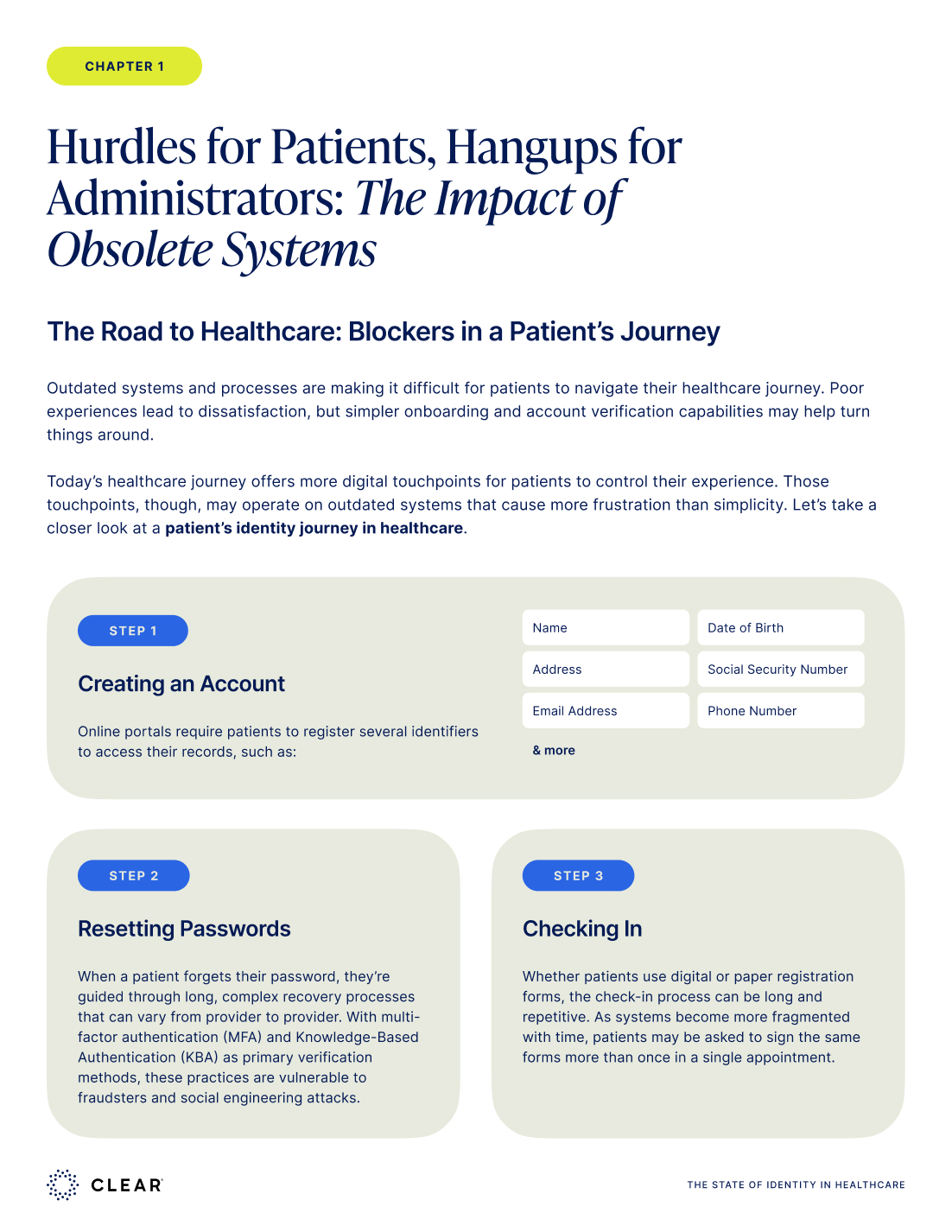
Identity verification at onboarding helps connect the account to a real person before the user receives access to business systems, applications, or sensitive data. The resulting identity can support future re-verification, so users don’t have to repeat the full enrollment process.


Account Recovery


Organizations often treat account recovery as an exception to the security model. When a user forgets a password, loses a phone, or replaces an authenticator, the organization may use backup channels or help desk intervention to restore access.

‍

That moment deserves the same scrutiny as initial login. Since normal authentication controls have already failed by the time recovery begins, account recovery can become an easier path for attackers. A secure, self-service flow can use identity verification to ask a more meaningful question: “Is this the right person?”


MFA Enrollment and Reset


MFA improves security by adding another factor, but if an attacker persuades an agent to transfer MFA enrollment to a different device, the control can work in the attacker’s favor.

‍

An identity-first approach to MFA enrollment and reset can verify the person before the organization links a new factor to the account. That verification adds assurance when the organization establishes or restores access instead of relying only on the channel used to request the change.


Privileged Access

‍

Administrative and executive accounts can access systems that control infrastructure, sensitive data, and security policies. A mistaken access decision at this level can have an outsized impact.

‍

Organizations can combine identity verification with approval workflows, session controls, and least-privilege policies to strengthen privileged access without making a single reviewer the sole line of defense.


Step-up Verification for Sensitive Actions


Some actions carry more risk than ordinary application access. Examples include viewing sensitive records, changing payment information, approving a high-value transaction, or accessing regulated data.

‍

Reusable identity lets organizations trigger a proportionate verification step when the stakes change. Users don’t have to repeat a full document-led process every time. After initial setup, returning users can re-verify with a quick selfie, depending on the workflow and assurance requirements.


How CLEAR1 Supports Zero Trust Security


CLEAR1 adds identity verification where credentials and device signals alone are not enough. Its multi-layered model combines biometrics, document checks, device security signals, and verified data sources to help organizations confirm the person behind a request.

‍

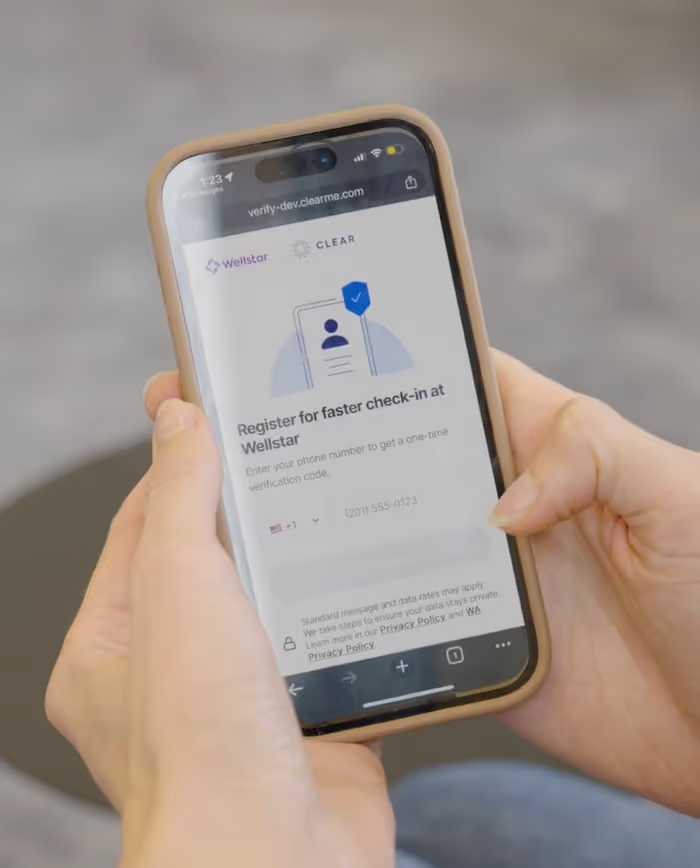
CLEAR1 integrates with leading identity and access management platforms, including Okta, Ping, and Microsoft Entra. Teams can add identity signals to existing authentication, endpoint, and access workflows rather than replace them. New users complete a quick, one-time setup, while existing Members can verify instantly with just a selfie. This can reduce repeated document uploads, shorten high-friction flows, and make stronger verification easier to apply when needed.

‍

Privacy is also built into the model. CLEAR handles the sensitive biometric layer as a secure biometric controller and shares only the verification decision and attributes the user explicitly consents to share. Organizations can strengthen identity security without taking on unnecessary biometric-handling responsibilities.


How to Implement Identity Verification in a Zero Trust Model


Security teams can use this framework to connect Zero Trust principles to identity assurance:


1. Map the Highest-Impact Identity Moments


List the workflows in which a wrong identity decision could lead to account takeover, sensitive data exposure, financial loss, regulatory risk, or disruption. Start with onboarding, recovery, privileged access, and high-risk changes.


2. Match Assurance to the Risk


Not every request needs the same level of scrutiny. Use stronger identity verification when users gain access, recover an account, enroll a new factor, or request a sensitive action.


3. Combine Independent Signals


Avoid relying on a single credential, device, or document. Instead, combine biometric verification, document authenticity checks, source validation, and device security signals to build a clearer picture of the person behind the request.


4. Add Identity Signals to Existing Controls


Zero Trust works best as an integrated architecture. Connect identity verification to IAM, IT service management, privileged access, and application workflows instead of creating a separate process that users and administrators must manage manually.


5. Reuse Verified Identity Where Appropriate


A reusable identity can bring stronger verification to future interactions without repeating the full initial setup. This helps organizations apply stronger checks across more high-risk interactions while keeping the experience practical for legitimate users.


6. Measure Both Protection and Usability


Track outcomes such as account takeover attempts, help desk volume, recovery time, completion rates, false matches, false non-matches, and user drop-off. The aim isn’t to add friction for its own sake but to make identity decisions more reliable while keeping the experience efficient for legitimate users.


Strengthen Zero Trust Security with Identity Assurance


Zero Trust is strongest when access decisions account for both the credential and the person using it. CLEAR1 helps organizations add identity verification to existing workflows, so teams can apply stronger assurance when the consequences of a wrong decision are highest.

‍

Security starts with identity. Learn how CLEAR1 can help your organization strengthen identity assurance where it matters most.

Frequently Asked Questions

What is Zero Trust security?

Zero Trust security requires organizations to evaluate access requests explicitly, apply least privilege, assume that attackers have compromised systems, and reassess access as risk, behavior, or context changes.

‍

Why does identity matter in Zero Trust?

Zero Trust policies need a reliable identity signal to determine who should receive access. Attackers can compromise credentials and devices, so organizations also need a way to verify the person behind the request—especially during account recovery, MFA changes, privileged access, and other high-risk workflows.

‍

Is MFA enough for Zero Trust?

MFA is an important part of Zero Trust, but it doesn’t answer every identity question. MFA can confirm that someone controls multiple factors. Identity verification adds evidence that the person using those factors matches the account owner.

‍

What is identity assurance?

Identity assurance is the level of confidence that an identity claim is accurate and tied to the right person. Multi-layered identity assurance can combine biometrics, document checks, authoritative data, and device signals.

‍

How does CLEAR1 support Zero Trust architecture?

CLEAR1 adds multi-layered identity verification and reusable identity to existing workflows. CLEAR1 can integrate with IAM platforms such as Okta, Ping, and Microsoft Entra, helping organizations verify the person making the request during high-risk interactions.

‍

Can identity verification add security without adding friction?

Yes—when teams apply stronger assurance at the right moments and reuse the resulting signals where appropriate. A one-time setup can establish a verified identity, allowing returning users to complete a faster re-verification flow while organizations retain a stronger identity signal.

Zero Trust has changed how organizations think about access. Rather than treating a corporate network, familiar device, or successful login as proof that access is safe, security teams evaluate each request using signals about the user, the resource, and the surrounding risk. But those decisions are only as reliable as the signal behind the request. Without identity assurance, a Zero Trust approach can still leave one critical question unanswered: Is the right person behind the interaction?

‍

Attackers can steal passwords, transfer authenticators, compromise devices, and hijack sessions. When controls only verify a credential, device, or session—without establishing that the person making the request is the account owner—an attacker can appear legitimate.

‍

That's why Zero Trust security needs to start with identity. Verifying the person behind the request gives access decisions a more reliable foundation while complementing existing authentication, endpoint, and network controls—without adding unnecessary steps for legitimate users.


What is Zero Trust Security?


Zero Trust requires organizations to evaluate each request rather than assume that network location or device familiarity makes it safe. Zero Trust calls for access decisions to be reassessed as risk, behavior, or context changes rather than treated as permanent after login.

‍

A Zero Trust architecture typically emphasizes four principles:

  • Verify explicitly: Evaluate the signals that matter for the request, user, resource, and context.
  • Use least privilege: Give people and systems only the access they need, and only for as long as necessary.
  • Assume breach: Design controls as if attackers have already compromised credentials, devices, or sessions.
  • Monitor continuously: Reassess access as risk, behavior, or context changes instead of treating authentication as a permanent decision.

‍

Together, these principles move security beyond a single checkpoint at login. They also highlight a gap in traditional identity and access management: authentication can show that someone controls a credential, but it doesn't necessarily establish who is making the request.


Why Authentication Alone Doesn’t Establish Identity


Authentication and identity verification solve two related but different problems.

‍

Authentication asks whether a user can present the required credential or factor. Identity verification asks whether the person presenting that credential or factor matches the real-world identity tied to the account or workflow.

‍

That distinction matters because attackers increasingly exploit valid access paths. They may obtain credentials through phishing, take over an email account, enroll a new authenticator, compromise a device, or persuade a help desk agent to reset access. Deepfakes and synthetic identities make impersonation harder to detect by sight or intuition alone.

‍

MFA, device intelligence, risk-based policies, endpoint protection, session monitoring, and network controls all play important roles in Zero Trust security. But none can answer every identity question on its own.

‍

A familiar device doesn’t establish that the account owner is the person using it. A correct one-time passcode doesn’t establish that the recipient owns the account. A successful password reset doesn’t show that the request came from the legitimate user.

‍

Zero Trust needs stronger identity assurance to close that gap. A Zero Trust identity strategy ties access decisions to evidence about the person—not just the signals around them.


Why Identity is the Foundation of Zero Trust Security


Every access decision ultimately depends on the reliability of the identity signal behind a request. A weak signal can cause other policy controls to produce a confident decision for the wrong person.

‍

Identity assurance strengthens Zero Trust by adding evidence about the person behind a request. Since no single signal can answer every identity question, a multi-layered approach combines complementary signals to build a more reliable picture of the person making the request:

  • Biometric verification to confirm that a live person is present and that their selfie matches the photo on a government-issued ID.
  • Document authenticity checks to identify signs of forgery, alteration, or counterfeit credentials.
  • Source validation to compare identity details against authoritative data sources.
  • Device security signals to help confirm that the user has the device and identify patterns associated with compromise or suspicious activity.

‍

Each layer answers a different question. Together, they create a more complete understanding of identity than a document, device, or credential can provide on its own.


Where Identity Verification Matters in a Zero Trust Model


Organizations don’t need to add the same identity check to every interaction. A stronger approach identifies the moments when the wrong decision would have the greatest consequences and applies higher-assurance verification at those points.


Workforce Onboarding

‍

Onboarding establishes the identity that future access decisions will rely on. If an organization creates an account for an employee, contractor, or administrator using incomplete or unverified information, later controls inherit that weakness.

‍

Identity verification at onboarding helps connect the account to a real person before the user receives access to business systems, applications, or sensitive data. The resulting identity can support future re-verification, so users don’t have to repeat the full enrollment process.


Account Recovery


Organizations often treat account recovery as an exception to the security model. When a user forgets a password, loses a phone, or replaces an authenticator, the organization may use backup channels or help desk intervention to restore access.

‍

That moment deserves the same scrutiny as initial login. Since normal authentication controls have already failed by the time recovery begins, account recovery can become an easier path for attackers. A secure, self-service flow can use identity verification to ask a more meaningful question: “Is this the right person?”


MFA Enrollment and Reset


MFA improves security by adding another factor, but if an attacker persuades an agent to transfer MFA enrollment to a different device, the control can work in the attacker’s favor.

‍

An identity-first approach to MFA enrollment and reset can verify the person before the organization links a new factor to the account. That verification adds assurance when the organization establishes or restores access instead of relying only on the channel used to request the change.


Privileged Access

‍

Administrative and executive accounts can access systems that control infrastructure, sensitive data, and security policies. A mistaken access decision at this level can have an outsized impact.

‍

Organizations can combine identity verification with approval workflows, session controls, and least-privilege policies to strengthen privileged access without making a single reviewer the sole line of defense.


Step-up Verification for Sensitive Actions


Some actions carry more risk than ordinary application access. Examples include viewing sensitive records, changing payment information, approving a high-value transaction, or accessing regulated data.

‍

Reusable identity lets organizations trigger a proportionate verification step when the stakes change. Users don’t have to repeat a full document-led process every time. After initial setup, returning users can re-verify with a quick selfie, depending on the workflow and assurance requirements.


How CLEAR1 Supports Zero Trust Security


CLEAR1 adds identity verification where credentials and device signals alone are not enough. Its multi-layered model combines biometrics, document checks, device security signals, and verified data sources to help organizations confirm the person behind a request.

‍

CLEAR1 integrates with leading identity and access management platforms, including Okta, Ping, and Microsoft Entra. Teams can add identity signals to existing authentication, endpoint, and access workflows rather than replace them. New users complete a quick, one-time setup, while existing Members can verify instantly with just a selfie. This can reduce repeated document uploads, shorten high-friction flows, and make stronger verification easier to apply when needed.

‍

Privacy is also built into the model. CLEAR handles the sensitive biometric layer as a secure biometric controller and shares only the verification decision and attributes the user explicitly consents to share. Organizations can strengthen identity security without taking on unnecessary biometric-handling responsibilities.


How to Implement Identity Verification in a Zero Trust Model


Security teams can use this framework to connect Zero Trust principles to identity assurance:


1. Map the Highest-Impact Identity Moments


List the workflows in which a wrong identity decision could lead to account takeover, sensitive data exposure, financial loss, regulatory risk, or disruption. Start with onboarding, recovery, privileged access, and high-risk changes.


2. Match Assurance to the Risk


Not every request needs the same level of scrutiny. Use stronger identity verification when users gain access, recover an account, enroll a new factor, or request a sensitive action.


3. Combine Independent Signals


Avoid relying on a single credential, device, or document. Instead, combine biometric verification, document authenticity checks, source validation, and device security signals to build a clearer picture of the person behind the request.


4. Add Identity Signals to Existing Controls


Zero Trust works best as an integrated architecture. Connect identity verification to IAM, IT service management, privileged access, and application workflows instead of creating a separate process that users and administrators must manage manually.


5. Reuse Verified Identity Where Appropriate


A reusable identity can bring stronger verification to future interactions without repeating the full initial setup. This helps organizations apply stronger checks across more high-risk interactions while keeping the experience practical for legitimate users.


6. Measure Both Protection and Usability


Track outcomes such as account takeover attempts, help desk volume, recovery time, completion rates, false matches, false non-matches, and user drop-off. The aim isn’t to add friction for its own sake but to make identity decisions more reliable while keeping the experience efficient for legitimate users.


Strengthen Zero Trust Security with Identity Assurance


Zero Trust is strongest when access decisions account for both the credential and the person using it. CLEAR1 helps organizations add identity verification to existing workflows, so teams can apply stronger assurance when the consequences of a wrong decision are highest.

‍

Security starts with identity. Learn how CLEAR1 can help your organization strengthen identity assurance where it matters most.

Maximize security, minimize friction with CLEAR

Reach out to uncover what problems you can solve when you solve for identity.

By submitting my personal data, I consent to CLEAR collecting, processing, and storing my information in accordance with the CLEAR Privacy Notice.
blog

Why Zero Trust Security Starts with Identity

October 20, 2026

Zero Trust has changed how organizations think about access. Rather than treating a corporate network, familiar device, or successful login as proof that access is safe, security teams evaluate each request using signals about the user, the resource, and the surrounding risk. But those decisions are only as reliable as the signal behind the request. Without identity assurance, a Zero Trust approach can still leave one critical question unanswered: Is the right person behind the interaction?

‍

Attackers can steal passwords, transfer authenticators, compromise devices, and hijack sessions. When controls only verify a credential, device, or session—without establishing that the person making the request is the account owner—an attacker can appear legitimate.

‍

That's why Zero Trust security needs to start with identity. Verifying the person behind the request gives access decisions a more reliable foundation while complementing existing authentication, endpoint, and network controls—without adding unnecessary steps for legitimate users.


What is Zero Trust Security?


Zero Trust requires organizations to evaluate each request rather than assume that network location or device familiarity makes it safe. Zero Trust calls for access decisions to be reassessed as risk, behavior, or context changes rather than treated as permanent after login.

‍

A Zero Trust architecture typically emphasizes four principles:

  • Verify explicitly: Evaluate the signals that matter for the request, user, resource, and context.
  • Use least privilege: Give people and systems only the access they need, and only for as long as necessary.
  • Assume breach: Design controls as if attackers have already compromised credentials, devices, or sessions.
  • Monitor continuously: Reassess access as risk, behavior, or context changes instead of treating authentication as a permanent decision.

‍

Together, these principles move security beyond a single checkpoint at login. They also highlight a gap in traditional identity and access management: authentication can show that someone controls a credential, but it doesn't necessarily establish who is making the request.


Why Authentication Alone Doesn’t Establish Identity


Authentication and identity verification solve two related but different problems.

‍

Authentication asks whether a user can present the required credential or factor. Identity verification asks whether the person presenting that credential or factor matches the real-world identity tied to the account or workflow.

‍

That distinction matters because attackers increasingly exploit valid access paths. They may obtain credentials through phishing, take over an email account, enroll a new authenticator, compromise a device, or persuade a help desk agent to reset access. Deepfakes and synthetic identities make impersonation harder to detect by sight or intuition alone.

‍

MFA, device intelligence, risk-based policies, endpoint protection, session monitoring, and network controls all play important roles in Zero Trust security. But none can answer every identity question on its own.

‍

A familiar device doesn’t establish that the account owner is the person using it. A correct one-time passcode doesn’t establish that the recipient owns the account. A successful password reset doesn’t show that the request came from the legitimate user.

‍

Zero Trust needs stronger identity assurance to close that gap. A Zero Trust identity strategy ties access decisions to evidence about the person—not just the signals around them.


Why Identity is the Foundation of Zero Trust Security


Every access decision ultimately depends on the reliability of the identity signal behind a request. A weak signal can cause other policy controls to produce a confident decision for the wrong person.

‍

Identity assurance strengthens Zero Trust by adding evidence about the person behind a request. Since no single signal can answer every identity question, a multi-layered approach combines complementary signals to build a more reliable picture of the person making the request:

  • Biometric verification to confirm that a live person is present and that their selfie matches the photo on a government-issued ID.
  • Document authenticity checks to identify signs of forgery, alteration, or counterfeit credentials.
  • Source validation to compare identity details against authoritative data sources.
  • Device security signals to help confirm that the user has the device and identify patterns associated with compromise or suspicious activity.

‍

Each layer answers a different question. Together, they create a more complete understanding of identity than a document, device, or credential can provide on its own.


Where Identity Verification Matters in a Zero Trust Model


Organizations don’t need to add the same identity check to every interaction. A stronger approach identifies the moments when the wrong decision would have the greatest consequences and applies higher-assurance verification at those points.


Workforce Onboarding

‍

Onboarding establishes the identity that future access decisions will rely on. If an organization creates an account for an employee, contractor, or administrator using incomplete or unverified information, later controls inherit that weakness.

‍

Identity verification at onboarding helps connect the account to a real person before the user receives access to business systems, applications, or sensitive data. The resulting identity can support future re-verification, so users don’t have to repeat the full enrollment process.


Account Recovery


Organizations often treat account recovery as an exception to the security model. When a user forgets a password, loses a phone, or replaces an authenticator, the organization may use backup channels or help desk intervention to restore access.

‍

That moment deserves the same scrutiny as initial login. Since normal authentication controls have already failed by the time recovery begins, account recovery can become an easier path for attackers. A secure, self-service flow can use identity verification to ask a more meaningful question: “Is this the right person?”


MFA Enrollment and Reset


MFA improves security by adding another factor, but if an attacker persuades an agent to transfer MFA enrollment to a different device, the control can work in the attacker’s favor.

‍

An identity-first approach to MFA enrollment and reset can verify the person before the organization links a new factor to the account. That verification adds assurance when the organization establishes or restores access instead of relying only on the channel used to request the change.


Privileged Access

‍

Administrative and executive accounts can access systems that control infrastructure, sensitive data, and security policies. A mistaken access decision at this level can have an outsized impact.

‍

Organizations can combine identity verification with approval workflows, session controls, and least-privilege policies to strengthen privileged access without making a single reviewer the sole line of defense.


Step-up Verification for Sensitive Actions


Some actions carry more risk than ordinary application access. Examples include viewing sensitive records, changing payment information, approving a high-value transaction, or accessing regulated data.

‍

Reusable identity lets organizations trigger a proportionate verification step when the stakes change. Users don’t have to repeat a full document-led process every time. After initial setup, returning users can re-verify with a quick selfie, depending on the workflow and assurance requirements.


How CLEAR1 Supports Zero Trust Security


CLEAR1 adds identity verification where credentials and device signals alone are not enough. Its multi-layered model combines biometrics, document checks, device security signals, and verified data sources to help organizations confirm the person behind a request.

‍

CLEAR1 integrates with leading identity and access management platforms, including Okta, Ping, and Microsoft Entra. Teams can add identity signals to existing authentication, endpoint, and access workflows rather than replace them. New users complete a quick, one-time setup, while existing Members can verify instantly with just a selfie. This can reduce repeated document uploads, shorten high-friction flows, and make stronger verification easier to apply when needed.

‍

Privacy is also built into the model. CLEAR handles the sensitive biometric layer as a secure biometric controller and shares only the verification decision and attributes the user explicitly consents to share. Organizations can strengthen identity security without taking on unnecessary biometric-handling responsibilities.


How to Implement Identity Verification in a Zero Trust Model


Security teams can use this framework to connect Zero Trust principles to identity assurance:


1. Map the Highest-Impact Identity Moments


List the workflows in which a wrong identity decision could lead to account takeover, sensitive data exposure, financial loss, regulatory risk, or disruption. Start with onboarding, recovery, privileged access, and high-risk changes.


2. Match Assurance to the Risk


Not every request needs the same level of scrutiny. Use stronger identity verification when users gain access, recover an account, enroll a new factor, or request a sensitive action.


3. Combine Independent Signals


Avoid relying on a single credential, device, or document. Instead, combine biometric verification, document authenticity checks, source validation, and device security signals to build a clearer picture of the person behind the request.


4. Add Identity Signals to Existing Controls


Zero Trust works best as an integrated architecture. Connect identity verification to IAM, IT service management, privileged access, and application workflows instead of creating a separate process that users and administrators must manage manually.


5. Reuse Verified Identity Where Appropriate


A reusable identity can bring stronger verification to future interactions without repeating the full initial setup. This helps organizations apply stronger checks across more high-risk interactions while keeping the experience practical for legitimate users.


6. Measure Both Protection and Usability


Track outcomes such as account takeover attempts, help desk volume, recovery time, completion rates, false matches, false non-matches, and user drop-off. The aim isn’t to add friction for its own sake but to make identity decisions more reliable while keeping the experience efficient for legitimate users.


Strengthen Zero Trust Security with Identity Assurance


Zero Trust is strongest when access decisions account for both the credential and the person using it. CLEAR1 helps organizations add identity verification to existing workflows, so teams can apply stronger assurance when the consequences of a wrong decision are highest.

‍

Security starts with identity. Learn how CLEAR1 can help your organization strengthen identity assurance where it matters most.

More product updates

VIEW ALL RELEASE NOTES
No items found.
blog

Why Zero Trust Security Starts with Identity

October 20, 2026

Zero Trust has changed how organizations think about access. Rather than treating a corporate network, familiar device, or successful login as proof that access is safe, security teams evaluate each request using signals about the user, the resource, and the surrounding risk. But those decisions are only as reliable as the signal behind the request. Without identity assurance, a Zero Trust approach can still leave one critical question unanswered: Is the right person behind the interaction?

‍

Attackers can steal passwords, transfer authenticators, compromise devices, and hijack sessions. When controls only verify a credential, device, or session—without establishing that the person making the request is the account owner—an attacker can appear legitimate.

‍

That's why Zero Trust security needs to start with identity. Verifying the person behind the request gives access decisions a more reliable foundation while complementing existing authentication, endpoint, and network controls—without adding unnecessary steps for legitimate users.


What is Zero Trust Security?


Zero Trust requires organizations to evaluate each request rather than assume that network location or device familiarity makes it safe. Zero Trust calls for access decisions to be reassessed as risk, behavior, or context changes rather than treated as permanent after login.

‍

A Zero Trust architecture typically emphasizes four principles:

  • Verify explicitly: Evaluate the signals that matter for the request, user, resource, and context.
  • Use least privilege: Give people and systems only the access they need, and only for as long as necessary.
  • Assume breach: Design controls as if attackers have already compromised credentials, devices, or sessions.
  • Monitor continuously: Reassess access as risk, behavior, or context changes instead of treating authentication as a permanent decision.

‍

Together, these principles move security beyond a single checkpoint at login. They also highlight a gap in traditional identity and access management: authentication can show that someone controls a credential, but it doesn't necessarily establish who is making the request.


Why Authentication Alone Doesn’t Establish Identity


Authentication and identity verification solve two related but different problems.

‍

Authentication asks whether a user can present the required credential or factor. Identity verification asks whether the person presenting that credential or factor matches the real-world identity tied to the account or workflow.

‍

That distinction matters because attackers increasingly exploit valid access paths. They may obtain credentials through phishing, take over an email account, enroll a new authenticator, compromise a device, or persuade a help desk agent to reset access. Deepfakes and synthetic identities make impersonation harder to detect by sight or intuition alone.

‍

MFA, device intelligence, risk-based policies, endpoint protection, session monitoring, and network controls all play important roles in Zero Trust security. But none can answer every identity question on its own.

‍

A familiar device doesn’t establish that the account owner is the person using it. A correct one-time passcode doesn’t establish that the recipient owns the account. A successful password reset doesn’t show that the request came from the legitimate user.

‍

Zero Trust needs stronger identity assurance to close that gap. A Zero Trust identity strategy ties access decisions to evidence about the person—not just the signals around them.


Why Identity is the Foundation of Zero Trust Security


Every access decision ultimately depends on the reliability of the identity signal behind a request. A weak signal can cause other policy controls to produce a confident decision for the wrong person.

‍

Identity assurance strengthens Zero Trust by adding evidence about the person behind a request. Since no single signal can answer every identity question, a multi-layered approach combines complementary signals to build a more reliable picture of the person making the request:

  • Biometric verification to confirm that a live person is present and that their selfie matches the photo on a government-issued ID.
  • Document authenticity checks to identify signs of forgery, alteration, or counterfeit credentials.
  • Source validation to compare identity details against authoritative data sources.
  • Device security signals to help confirm that the user has the device and identify patterns associated with compromise or suspicious activity.

‍

Each layer answers a different question. Together, they create a more complete understanding of identity than a document, device, or credential can provide on its own.


Where Identity Verification Matters in a Zero Trust Model


Organizations don’t need to add the same identity check to every interaction. A stronger approach identifies the moments when the wrong decision would have the greatest consequences and applies higher-assurance verification at those points.


Workforce Onboarding

‍

Onboarding establishes the identity that future access decisions will rely on. If an organization creates an account for an employee, contractor, or administrator using incomplete or unverified information, later controls inherit that weakness.

‍

Identity verification at onboarding helps connect the account to a real person before the user receives access to business systems, applications, or sensitive data. The resulting identity can support future re-verification, so users don’t have to repeat the full enrollment process.


Account Recovery


Organizations often treat account recovery as an exception to the security model. When a user forgets a password, loses a phone, or replaces an authenticator, the organization may use backup channels or help desk intervention to restore access.

‍

That moment deserves the same scrutiny as initial login. Since normal authentication controls have already failed by the time recovery begins, account recovery can become an easier path for attackers. A secure, self-service flow can use identity verification to ask a more meaningful question: “Is this the right person?”


MFA Enrollment and Reset


MFA improves security by adding another factor, but if an attacker persuades an agent to transfer MFA enrollment to a different device, the control can work in the attacker’s favor.

‍

An identity-first approach to MFA enrollment and reset can verify the person before the organization links a new factor to the account. That verification adds assurance when the organization establishes or restores access instead of relying only on the channel used to request the change.


Privileged Access

‍

Administrative and executive accounts can access systems that control infrastructure, sensitive data, and security policies. A mistaken access decision at this level can have an outsized impact.

‍

Organizations can combine identity verification with approval workflows, session controls, and least-privilege policies to strengthen privileged access without making a single reviewer the sole line of defense.


Step-up Verification for Sensitive Actions


Some actions carry more risk than ordinary application access. Examples include viewing sensitive records, changing payment information, approving a high-value transaction, or accessing regulated data.

‍

Reusable identity lets organizations trigger a proportionate verification step when the stakes change. Users don’t have to repeat a full document-led process every time. After initial setup, returning users can re-verify with a quick selfie, depending on the workflow and assurance requirements.


How CLEAR1 Supports Zero Trust Security


CLEAR1 adds identity verification where credentials and device signals alone are not enough. Its multi-layered model combines biometrics, document checks, device security signals, and verified data sources to help organizations confirm the person behind a request.

‍

CLEAR1 integrates with leading identity and access management platforms, including Okta, Ping, and Microsoft Entra. Teams can add identity signals to existing authentication, endpoint, and access workflows rather than replace them. New users complete a quick, one-time setup, while existing Members can verify instantly with just a selfie. This can reduce repeated document uploads, shorten high-friction flows, and make stronger verification easier to apply when needed.

‍

Privacy is also built into the model. CLEAR handles the sensitive biometric layer as a secure biometric controller and shares only the verification decision and attributes the user explicitly consents to share. Organizations can strengthen identity security without taking on unnecessary biometric-handling responsibilities.


How to Implement Identity Verification in a Zero Trust Model


Security teams can use this framework to connect Zero Trust principles to identity assurance:


1. Map the Highest-Impact Identity Moments


List the workflows in which a wrong identity decision could lead to account takeover, sensitive data exposure, financial loss, regulatory risk, or disruption. Start with onboarding, recovery, privileged access, and high-risk changes.


2. Match Assurance to the Risk


Not every request needs the same level of scrutiny. Use stronger identity verification when users gain access, recover an account, enroll a new factor, or request a sensitive action.


3. Combine Independent Signals


Avoid relying on a single credential, device, or document. Instead, combine biometric verification, document authenticity checks, source validation, and device security signals to build a clearer picture of the person behind the request.


4. Add Identity Signals to Existing Controls


Zero Trust works best as an integrated architecture. Connect identity verification to IAM, IT service management, privileged access, and application workflows instead of creating a separate process that users and administrators must manage manually.


5. Reuse Verified Identity Where Appropriate


A reusable identity can bring stronger verification to future interactions without repeating the full initial setup. This helps organizations apply stronger checks across more high-risk interactions while keeping the experience practical for legitimate users.


6. Measure Both Protection and Usability


Track outcomes such as account takeover attempts, help desk volume, recovery time, completion rates, false matches, false non-matches, and user drop-off. The aim isn’t to add friction for its own sake but to make identity decisions more reliable while keeping the experience efficient for legitimate users.


Strengthen Zero Trust Security with Identity Assurance


Zero Trust is strongest when access decisions account for both the credential and the person using it. CLEAR1 helps organizations add identity verification to existing workflows, so teams can apply stronger assurance when the consequences of a wrong decision are highest.

‍

Security starts with identity. Learn how CLEAR1 can help your organization strengthen identity assurance where it matters most.

Zero Trust has changed how organizations think about access. Rather than treating a corporate network, familiar device, or successful login as proof that access is safe, security teams evaluate each request using signals about the user, the resource, and the surrounding risk. But those decisions are only as reliable as the signal behind the request. Without identity assurance, a Zero Trust approach can still leave one critical question unanswered: Is the right person behind the interaction?

‍

Attackers can steal passwords, transfer authenticators, compromise devices, and hijack sessions. When controls only verify a credential, device, or session—without establishing that the person making the request is the account owner—an attacker can appear legitimate.

‍

That's why Zero Trust security needs to start with identity. Verifying the person behind the request gives access decisions a more reliable foundation while complementing existing authentication, endpoint, and network controls—without adding unnecessary steps for legitimate users.


What is Zero Trust Security?


Zero Trust requires organizations to evaluate each request rather than assume that network location or device familiarity makes it safe. Zero Trust calls for access decisions to be reassessed as risk, behavior, or context changes rather than treated as permanent after login.

‍

A Zero Trust architecture typically emphasizes four principles:

  • Verify explicitly: Evaluate the signals that matter for the request, user, resource, and context.
  • Use least privilege: Give people and systems only the access they need, and only for as long as necessary.
  • Assume breach: Design controls as if attackers have already compromised credentials, devices, or sessions.
  • Monitor continuously: Reassess access as risk, behavior, or context changes instead of treating authentication as a permanent decision.

‍

Together, these principles move security beyond a single checkpoint at login. They also highlight a gap in traditional identity and access management: authentication can show that someone controls a credential, but it doesn't necessarily establish who is making the request.


Why Authentication Alone Doesn’t Establish Identity


Authentication and identity verification solve two related but different problems.

‍

Authentication asks whether a user can present the required credential or factor. Identity verification asks whether the person presenting that credential or factor matches the real-world identity tied to the account or workflow.

‍

That distinction matters because attackers increasingly exploit valid access paths. They may obtain credentials through phishing, take over an email account, enroll a new authenticator, compromise a device, or persuade a help desk agent to reset access. Deepfakes and synthetic identities make impersonation harder to detect by sight or intuition alone.

‍

MFA, device intelligence, risk-based policies, endpoint protection, session monitoring, and network controls all play important roles in Zero Trust security. But none can answer every identity question on its own.

‍

A familiar device doesn’t establish that the account owner is the person using it. A correct one-time passcode doesn’t establish that the recipient owns the account. A successful password reset doesn’t show that the request came from the legitimate user.

‍

Zero Trust needs stronger identity assurance to close that gap. A Zero Trust identity strategy ties access decisions to evidence about the person—not just the signals around them.


Why Identity is the Foundation of Zero Trust Security


Every access decision ultimately depends on the reliability of the identity signal behind a request. A weak signal can cause other policy controls to produce a confident decision for the wrong person.

‍

Identity assurance strengthens Zero Trust by adding evidence about the person behind a request. Since no single signal can answer every identity question, a multi-layered approach combines complementary signals to build a more reliable picture of the person making the request:

  • Biometric verification to confirm that a live person is present and that their selfie matches the photo on a government-issued ID.
  • Document authenticity checks to identify signs of forgery, alteration, or counterfeit credentials.
  • Source validation to compare identity details against authoritative data sources.
  • Device security signals to help confirm that the user has the device and identify patterns associated with compromise or suspicious activity.

‍

Each layer answers a different question. Together, they create a more complete understanding of identity than a document, device, or credential can provide on its own.


Where Identity Verification Matters in a Zero Trust Model


Organizations don’t need to add the same identity check to every interaction. A stronger approach identifies the moments when the wrong decision would have the greatest consequences and applies higher-assurance verification at those points.


Workforce Onboarding

‍

Onboarding establishes the identity that future access decisions will rely on. If an organization creates an account for an employee, contractor, or administrator using incomplete or unverified information, later controls inherit that weakness.

‍

Identity verification at onboarding helps connect the account to a real person before the user receives access to business systems, applications, or sensitive data. The resulting identity can support future re-verification, so users don’t have to repeat the full enrollment process.


Account Recovery


Organizations often treat account recovery as an exception to the security model. When a user forgets a password, loses a phone, or replaces an authenticator, the organization may use backup channels or help desk intervention to restore access.

‍

That moment deserves the same scrutiny as initial login. Since normal authentication controls have already failed by the time recovery begins, account recovery can become an easier path for attackers. A secure, self-service flow can use identity verification to ask a more meaningful question: “Is this the right person?”


MFA Enrollment and Reset


MFA improves security by adding another factor, but if an attacker persuades an agent to transfer MFA enrollment to a different device, the control can work in the attacker’s favor.

‍

An identity-first approach to MFA enrollment and reset can verify the person before the organization links a new factor to the account. That verification adds assurance when the organization establishes or restores access instead of relying only on the channel used to request the change.


Privileged Access

‍

Administrative and executive accounts can access systems that control infrastructure, sensitive data, and security policies. A mistaken access decision at this level can have an outsized impact.

‍

Organizations can combine identity verification with approval workflows, session controls, and least-privilege policies to strengthen privileged access without making a single reviewer the sole line of defense.


Step-up Verification for Sensitive Actions


Some actions carry more risk than ordinary application access. Examples include viewing sensitive records, changing payment information, approving a high-value transaction, or accessing regulated data.

‍

Reusable identity lets organizations trigger a proportionate verification step when the stakes change. Users don’t have to repeat a full document-led process every time. After initial setup, returning users can re-verify with a quick selfie, depending on the workflow and assurance requirements.


How CLEAR1 Supports Zero Trust Security


CLEAR1 adds identity verification where credentials and device signals alone are not enough. Its multi-layered model combines biometrics, document checks, device security signals, and verified data sources to help organizations confirm the person behind a request.

‍

CLEAR1 integrates with leading identity and access management platforms, including Okta, Ping, and Microsoft Entra. Teams can add identity signals to existing authentication, endpoint, and access workflows rather than replace them. New users complete a quick, one-time setup, while existing Members can verify instantly with just a selfie. This can reduce repeated document uploads, shorten high-friction flows, and make stronger verification easier to apply when needed.

‍

Privacy is also built into the model. CLEAR handles the sensitive biometric layer as a secure biometric controller and shares only the verification decision and attributes the user explicitly consents to share. Organizations can strengthen identity security without taking on unnecessary biometric-handling responsibilities.


How to Implement Identity Verification in a Zero Trust Model


Security teams can use this framework to connect Zero Trust principles to identity assurance:


1. Map the Highest-Impact Identity Moments


List the workflows in which a wrong identity decision could lead to account takeover, sensitive data exposure, financial loss, regulatory risk, or disruption. Start with onboarding, recovery, privileged access, and high-risk changes.


2. Match Assurance to the Risk


Not every request needs the same level of scrutiny. Use stronger identity verification when users gain access, recover an account, enroll a new factor, or request a sensitive action.


3. Combine Independent Signals


Avoid relying on a single credential, device, or document. Instead, combine biometric verification, document authenticity checks, source validation, and device security signals to build a clearer picture of the person behind the request.


4. Add Identity Signals to Existing Controls


Zero Trust works best as an integrated architecture. Connect identity verification to IAM, IT service management, privileged access, and application workflows instead of creating a separate process that users and administrators must manage manually.


5. Reuse Verified Identity Where Appropriate


A reusable identity can bring stronger verification to future interactions without repeating the full initial setup. This helps organizations apply stronger checks across more high-risk interactions while keeping the experience practical for legitimate users.


6. Measure Both Protection and Usability


Track outcomes such as account takeover attempts, help desk volume, recovery time, completion rates, false matches, false non-matches, and user drop-off. The aim isn’t to add friction for its own sake but to make identity decisions more reliable while keeping the experience efficient for legitimate users.


Strengthen Zero Trust Security with Identity Assurance


Zero Trust is strongest when access decisions account for both the credential and the person using it. CLEAR1 helps organizations add identity verification to existing workflows, so teams can apply stronger assurance when the consequences of a wrong decision are highest.

‍

Security starts with identity. Learn how CLEAR1 can help your organization strengthen identity assurance where it matters most.

PARTNER SPOTLIGHT
INDUSTRY
Workforce
COMPANY SIZE
INDUSTRY
Workforce
COMPANY SIZE

Maximize security, minimize friction with CLEAR

Reach out to uncover what problems you can solve when you solve for identity.

By submitting my personal data, I consent to CLEAR collecting, processing, and storing my information in accordance with the CLEAR Privacy Notice.
blog
Person looking at CLEAR Multi-Layered Identity Screen
By submitting my personal data, I consent to CLEAR collecting, processing, and storing my information in accordance with the CLEAR Privacy Notice.
Gartner®, Deepfake Identity Threats: Mitigate Risk in Identity Verification and Face Biometrics, Akif Khan, Nayara Sangiorgio, James Hoover, 11 May 2026

‍Gartner® is a trademark of Gartner, Inc. and/or its affiliates.

blog
By submitting my personal data, I consent to CLEAR collecting, processing, and storing my information in accordance with the CLEAR Privacy Notice.
Thank you! You are being redirected

Thank you! View the webinar below.

Oops! Something went wrong while submitting the form.
blog

Why Zero Trust Security Starts with Identity

October 20, 2026

More webinars

VIEW ALL WEBINARS
No items found.